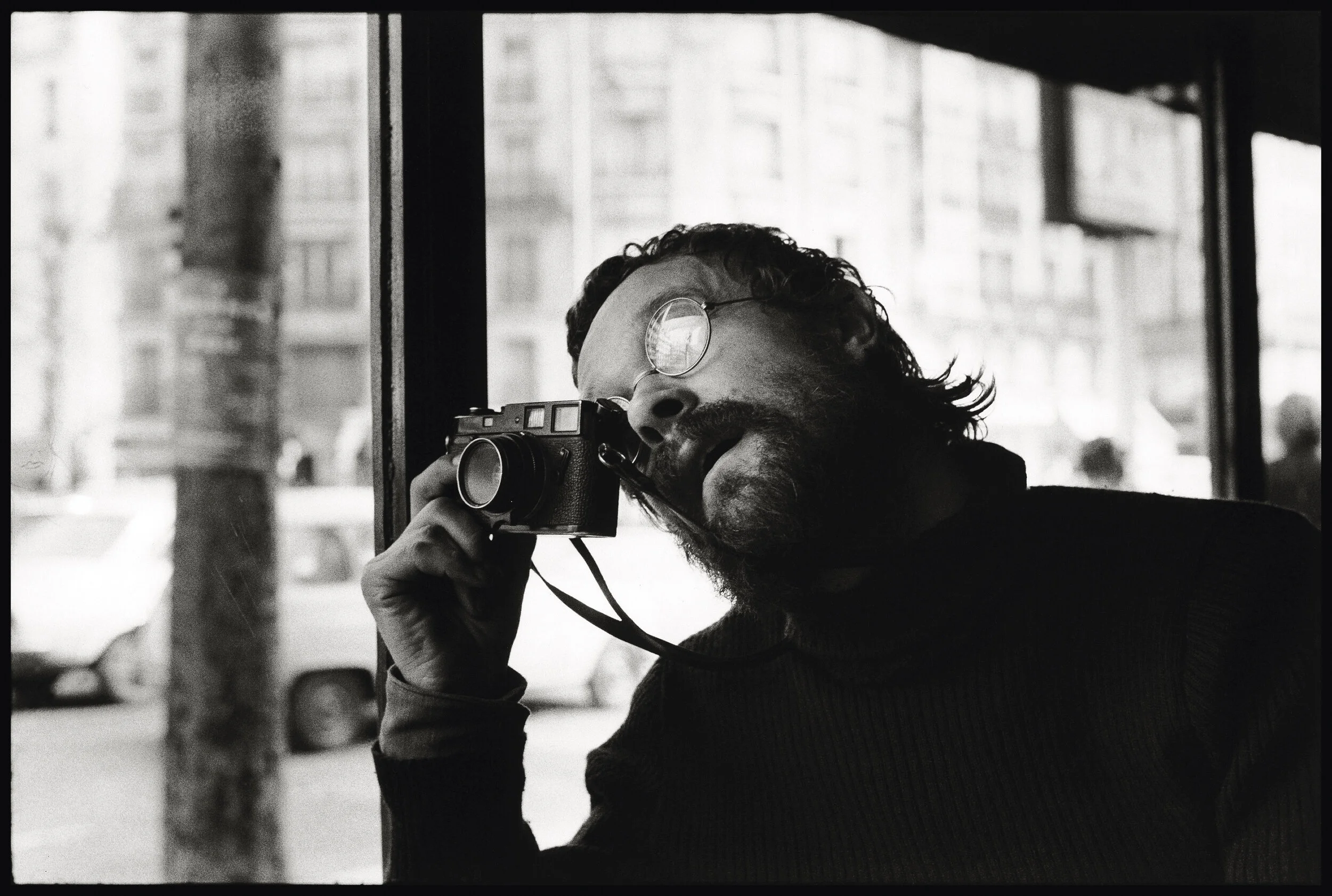
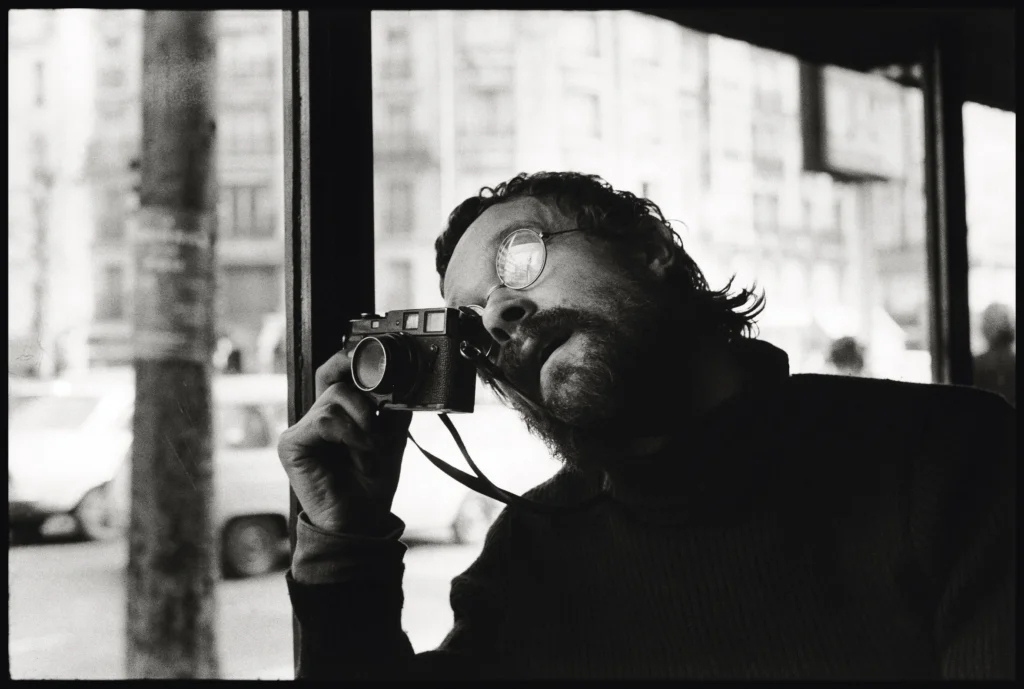
First, I came to know about Josef Koudelka from a photographer friend who showed me his photos on his phone. After returning home, I searched about him instantly and became his fan. His life story is also very fascinating to me as a young photographer, especially when my own country was suffering from political distress. So, let us start with his story and discover his works.
Josef Koudelka was born on 10th January 1938 in Boskovice, a small town in Moravia, Czechoslovakia. His story is connected with the history of photojournalism and Magnum itself. He is a very private person. Throughout his life, he refused interviews, talks, and even opportunities to teach photography.
Then, in November 2023, during Paris Photo Week, Josef Koudelka: Next was launched. It is a biography of the man, photographer, and artist, and the book tells the story of his life through over 300 pages of text and photos.
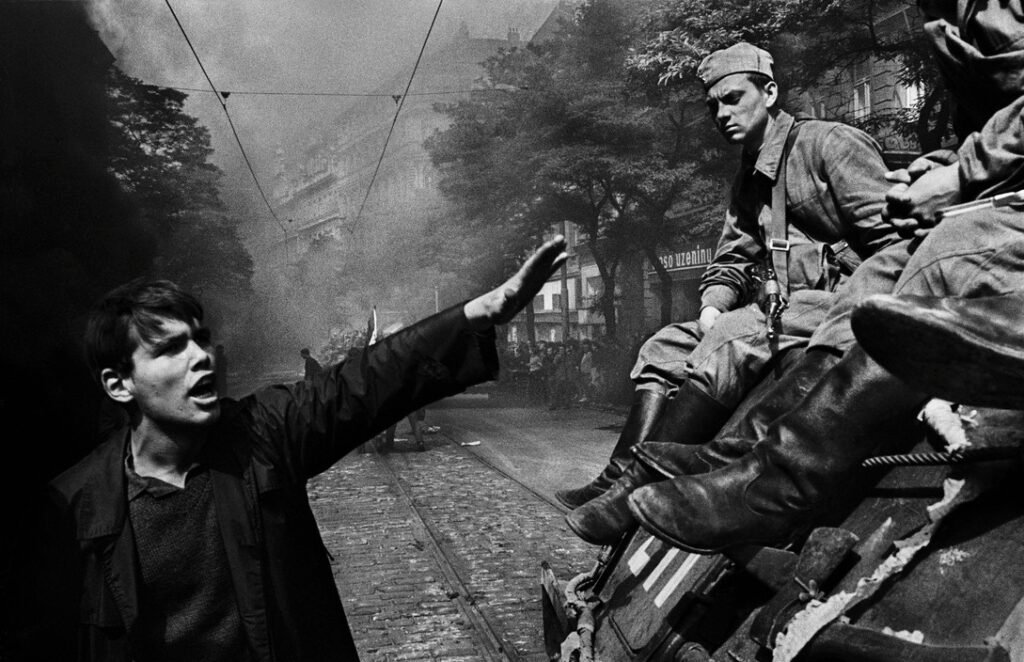
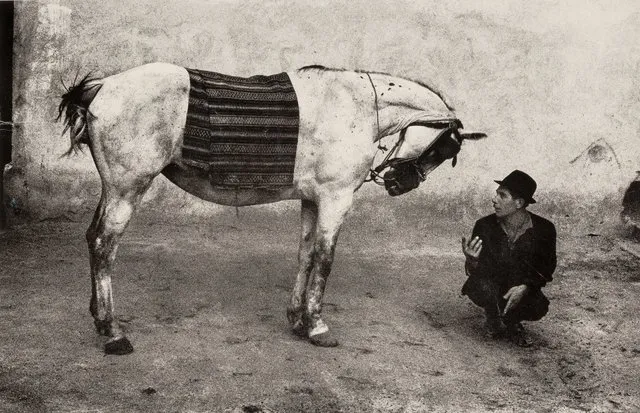
Growing up in Moravia, he developed an early interest in photography. It shows his early activities, including how he started taking pictures of theater groups in Prague and Gypsies in Czechoslovakia before leaving his job as an aeronautical engineer to become a full-time photographer. It also tells how he was able to smuggle his photos out from behind the Iron Curtain during the Soviet invasion of Prague in 1968, and how, when his photos were first released in the press, he became the mysterious and anonymous P.P. (Prague Photographer).
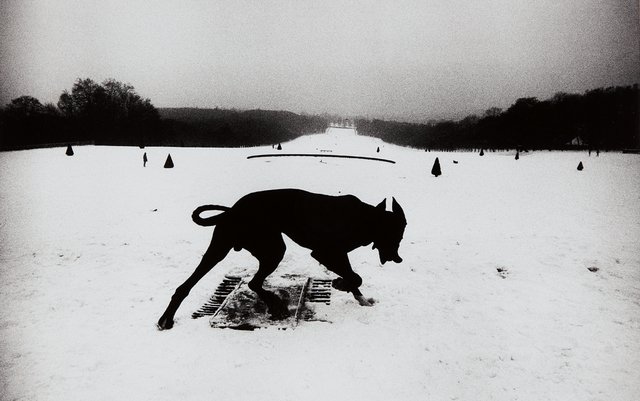
In 1969, the “anonymous Czech photographer” was awarded the Overseas Press Club’s Robert Capa Gold Medal for photographs that required exceptional courage. Many of his photographs of these events were not seen until decades later. With Magnum recommending him to the British authorities, Koudelka applied for a three-month working visa and fled to England in 1970, where he applied for political asylum and stayed for more than a decade. In 1971, he joined Magnum as an Associate Member and became a Full Member in 1974. Throughout the 1970s and 1980s, Koudelka continued his work through many grants and awards, and he also exhibited and published major projects like Gypsies (1975) and Exiles (1988). Sean O’Hagan, writing in The Observer in 2011, described Gypsies as “a classic of documentary photography.” Since 1986, he has worked with a panoramic camera and published a collection of these photographs in his book Chaos in 1999.
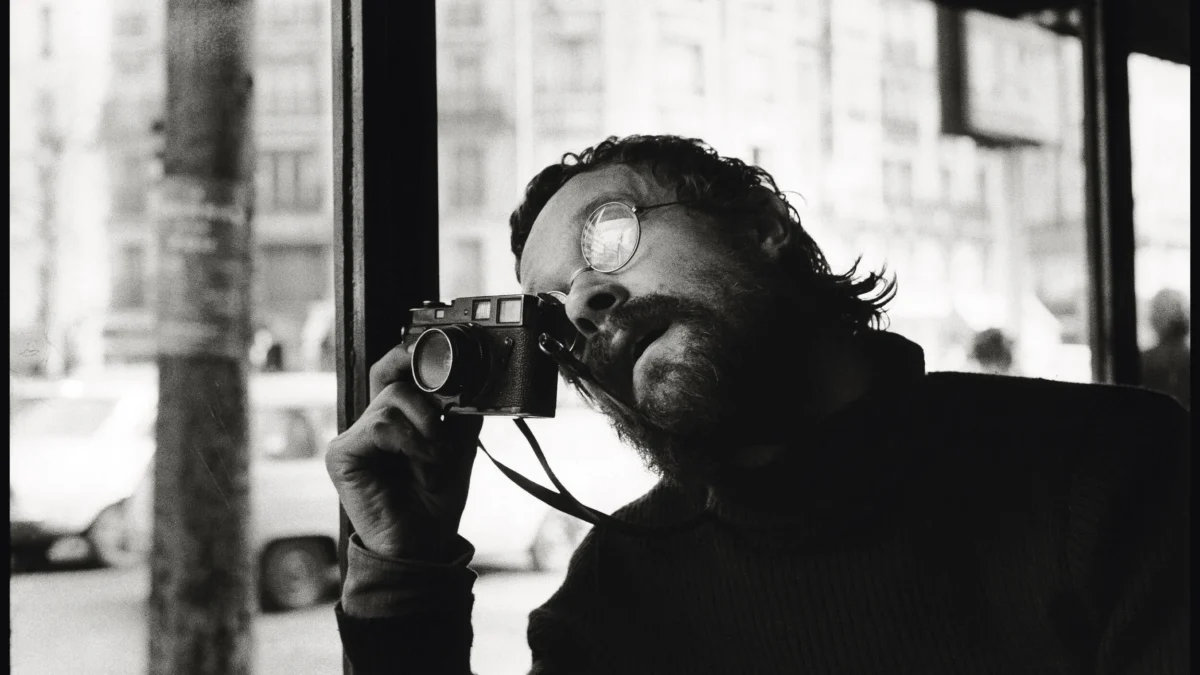
Through all these chapters of his life, Josef Koudelka built a photographic philosophy centered on deep observation, personal freedom, and bearing witness to fragile memories. He is often described as intensely independent, a solitary hunter of images. “Josef Koudelka is a lone wolf. He only needs his camera and himself,” observed one curator who worked with him. Koudelka has made his own path, mostly avoiding commercial assignments and also staying away from the spotlight of interviews, preferring to let his pictures speak. This independence was made possible in part by what he humbly calls luck. Early on, he had a steady job in engineering, which allowed him to photograph what he loved without needing to please editors. Later, after going freelance, he managed to survive for nearly two decades without accepting a single commissioned assignment. As a result, Koudelka’s projects were always self-directed works of love. Whether he was moving with theater groups, traveling with the Roma, or wandering through the landscapes of Europe with a panoramic lens, he followed subjects that connected with his own life experience and curiosity.
A central theme in Koudelka’s work is exile and displacement, which he both lived and documented. After experiencing what it means to lose one’s country after 1968 and to live out of a bag for years, he developed a deep connection with others who lived on the edges of society or in the aftermath of displacement. His photographs of refugees, travelers, and lonely figures in empty landscapes all carry a feeling of searching and resilience.
Ultimately, this is at the heart of Koudelka’s philosophy. He has described himself as having “a need to record what is happening to not forget,” treating photography as a defense against forgetting. Whether it is the memory of a nation’s trauma, like Prague 1968, or the cultural memory of a disappearing community, like the Roma, Koudelka’s work preserves stories that might otherwise be lost. This is one reason he finally agreed, after years of reluctance, to collaborate on an authorized biography. “I did it because memory is something fragile,” he said about that decision, understanding that if he did not share his story then, important truths might fade or change over time. It is a statement that can also explain why he makes photographs. Koudelka’s lifelong sixty-year journey, from Boskovice to Prague, and from exile to a renowned photographer, shows a singular commitment to witnessing and remembering the world’s upheavals. In the process, he has created a body of work defined by exile and empathy, resilience and rupture, and above all, a strong faith in the power of the camera to turn life into lasting iconography.
If you have read till now, maybe you are inspired by his life. Happy clicking.
This article is written using sources from Magnum Photos biography Next: The Story of Josef Koudelka and Wikipedia.